Final Exercise Brings Military Medical Cadets Closer to Real Combat Conditions

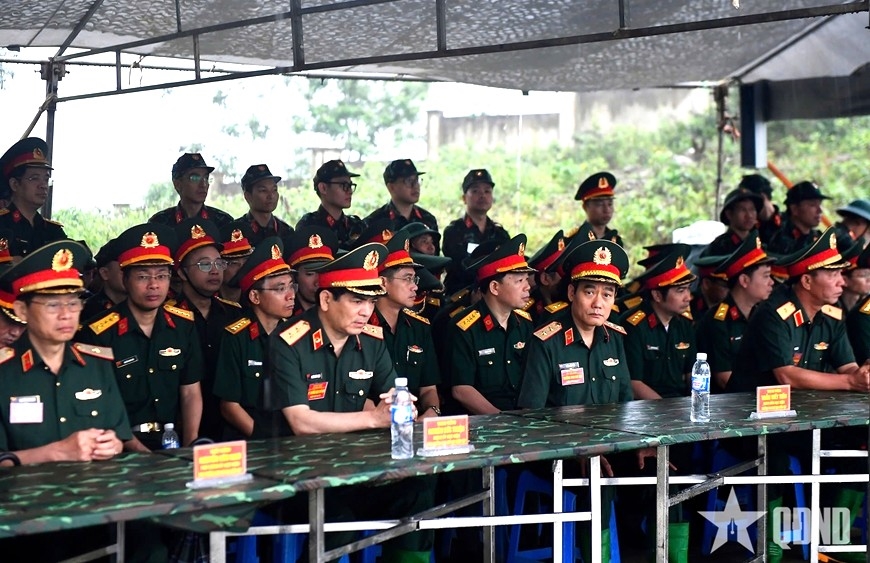
From April 13 to 24, the Military Medical Academy organized the final integrated tactical exercise for Course 54 military medical cadets (CK-54). Lieutenant General, Professor, PhD Tran Viet Tien, Director of the Military Medical Academy, and Lieutenant General, Associate Professor, PhD Nghiem Duc Thuan, Secretary of the Party Committee and Political Commissar of the Academy, directed the exercise.
The exercise was conducted under the scenario: “Military Medical Company transitions to combat readiness status; conducts combat march and encampment; organizes combat preparation and provides medical treatment for wounded and sick soldiers of a defensive infantry regiment.”
The exercise was carried out in three phases: the Military Medical Company transitioning to combat readiness status; conducting combat march and encampment; and organizing combat preparation.
 |
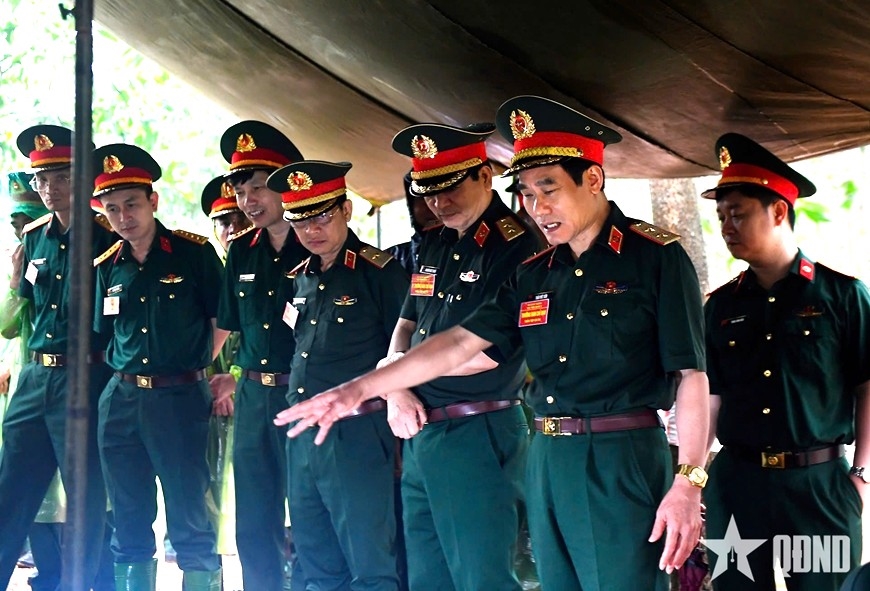 |
| Leaders of the Vietnam Military Medical Academy directed the exercise and presented operational scenarios to the cadets. |
During the training process, the Exercise Steering Committee implemented the plan and applied flexible methods throughout the organization of the exercise.
Departments and units within the Military Medical Academy strictly followed the directives and guidance of the Academy Director and relevant agencies regarding the CK-54 exercise mission.
Cadres, lecturers, and cadets thoroughly understood their assigned tasks, demonstrated a strong sense of responsibility, overcame all difficulties, and successfully fulfilled their duties.
 |
 |
|
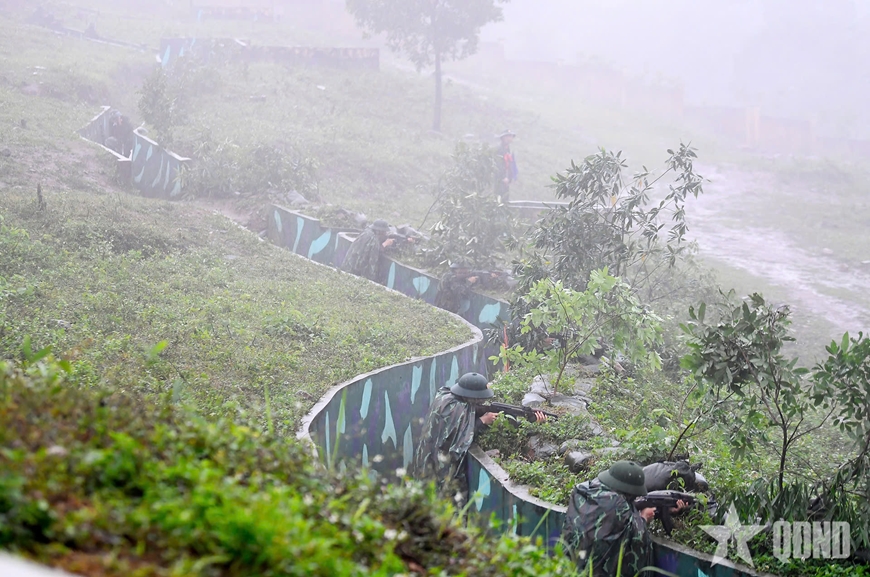
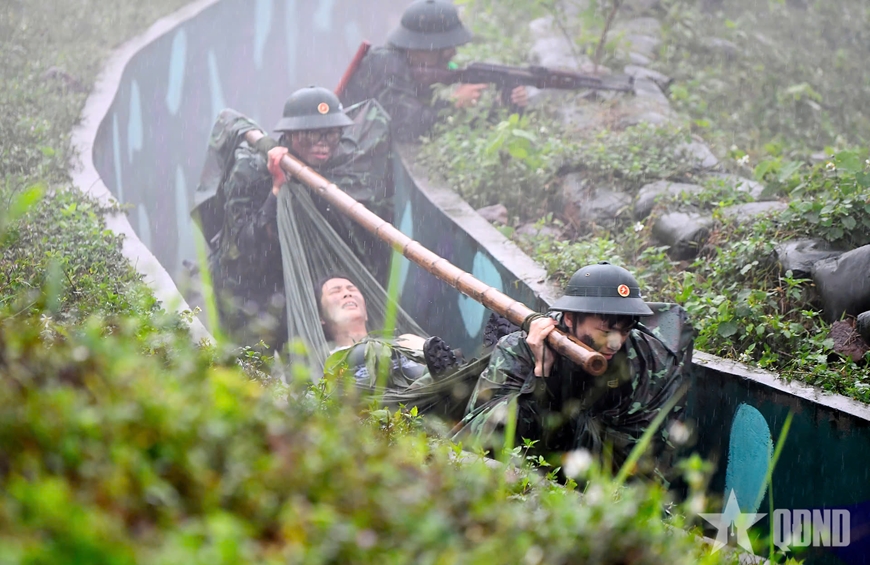
The exercise took place under heavy rain. |
The phase of transitioning the Military Medical Company to combat readiness was conducted in the correct sequence and clearly reflected professional military medical operations. The organization of combat marching and encampment included two marching stages, combining mechanized movement and foot marches.
During maneuver operations, river-crossing missions and medical support for the regiment during river crossing were also carried out. In this phase, mass mobilization work and awareness of enemy situations were enhanced to ensure safety.
 |
|
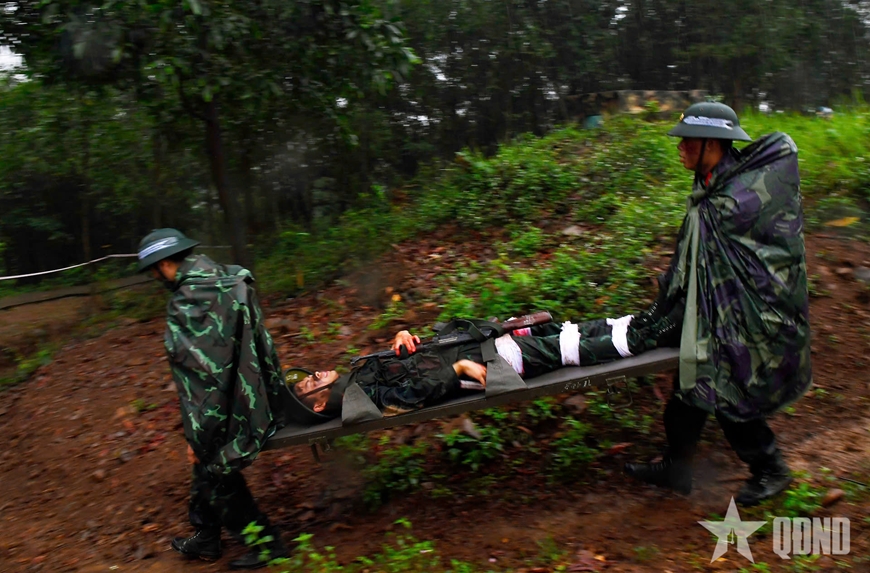
Stretchers carried the wounded soldiers from the “battlefield” to the rear medical line. |
The phase in which the Military Medical Company organized combat preparation was one of the most important contents of the exercise. Lieutenant General, Professor, PhD Tran Viet Tien, Director of the Military Medical Academy, affirmed that the final exercise is an important activity for cadets, enabling them to apply the knowledge acquired during training to realistic combat situations when emergencies arise.
Accordingly, the procedures for receiving, classifying, and treating wounded and sick soldiers were conducted skillfully, smoothly, and in close accordance with actual combat conditions involving various scenarios.
Most cadets performed well in their assigned positions, ensuring compliance with military medical regulations in combat operations. In addition to the scientifically and effectively operated treatment echelon system, new and challenging situations introduced during the exercise were handled flexibly and appropriately.
 |
|
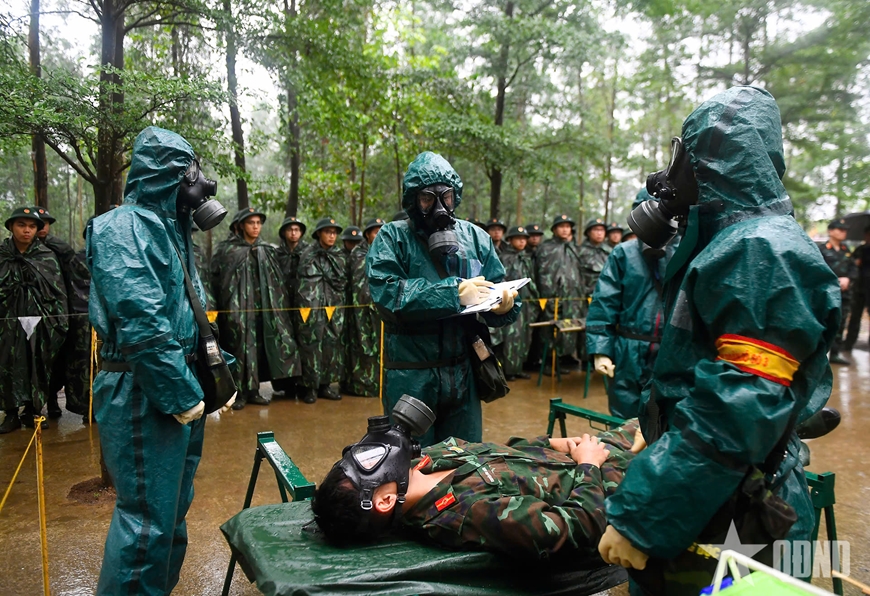
Military medical personnel assessed the condition of wounded soldiers in a simulated chemical contamination scenario and conducted decontamination procedures for the troops. |
Lieutenant General, Professor, PhD Tran Viet Tien reaffirmed that the final exercise is a vital component of cadet training, helping them apply acquired knowledge to practical combat situations whenever necessary.
 |
|
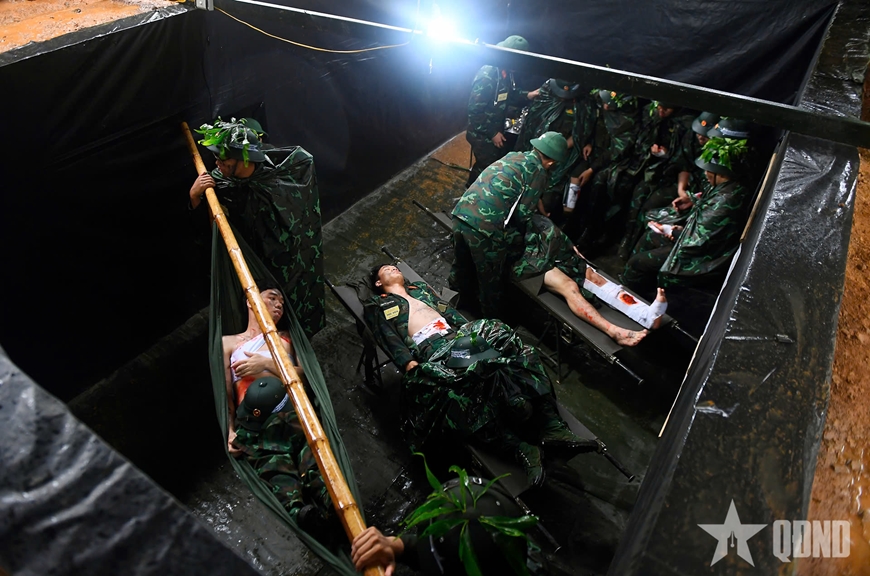
Practicing the treatment of wounded soldiers at military medical echelons. |
While directly overseeing the exercise, the leadership of the Military Medical Academy required cadets and participating forces to uphold a high sense of responsibility, overcome all difficulties, clearly identify their tasks, and flexibly apply viewpoints, operational principles, and guidelines throughout the exercise in order to achieve all objectives and requirements while ensuring absolute safety.
After the exercise, units continued consolidating the training grounds and reviewing and supplementing equipment and materials used during the exercise to ensure synchronization and close alignment with practical mission requirements.
Authors: Duy Dong – Tuan Huy, Translated by: Minh Phuong