The Journey Through the “Coordinates of Fire” and Surgeries Beneath Deep Underground Bunkers of Professor Nguyen Tu

In mid-December 1965, Doctor Nguyen Tu received orders to head South. On February 27, 1966, he and a military medical unit departed from Hanoi, crossing the Trường Sơn range into the Central Highlands battlefield, where no hospitals existed in the conventional sense and the treatment of wounded soldiers had to be organized directly on the front lines.
Crossing Truong Son into the Battlefield
In late February 1966, aboard two UAZ ambulances, Doctor Nguyen Tu, later Major General, Professor, Doctor of Science, and Hero of the People’s Armed Forces, left Hanoi with a group of military medical officers as darkness fell. Travel to the battlefield could not take place during the day; all movement had to be carried out at night to avoid American air raids.
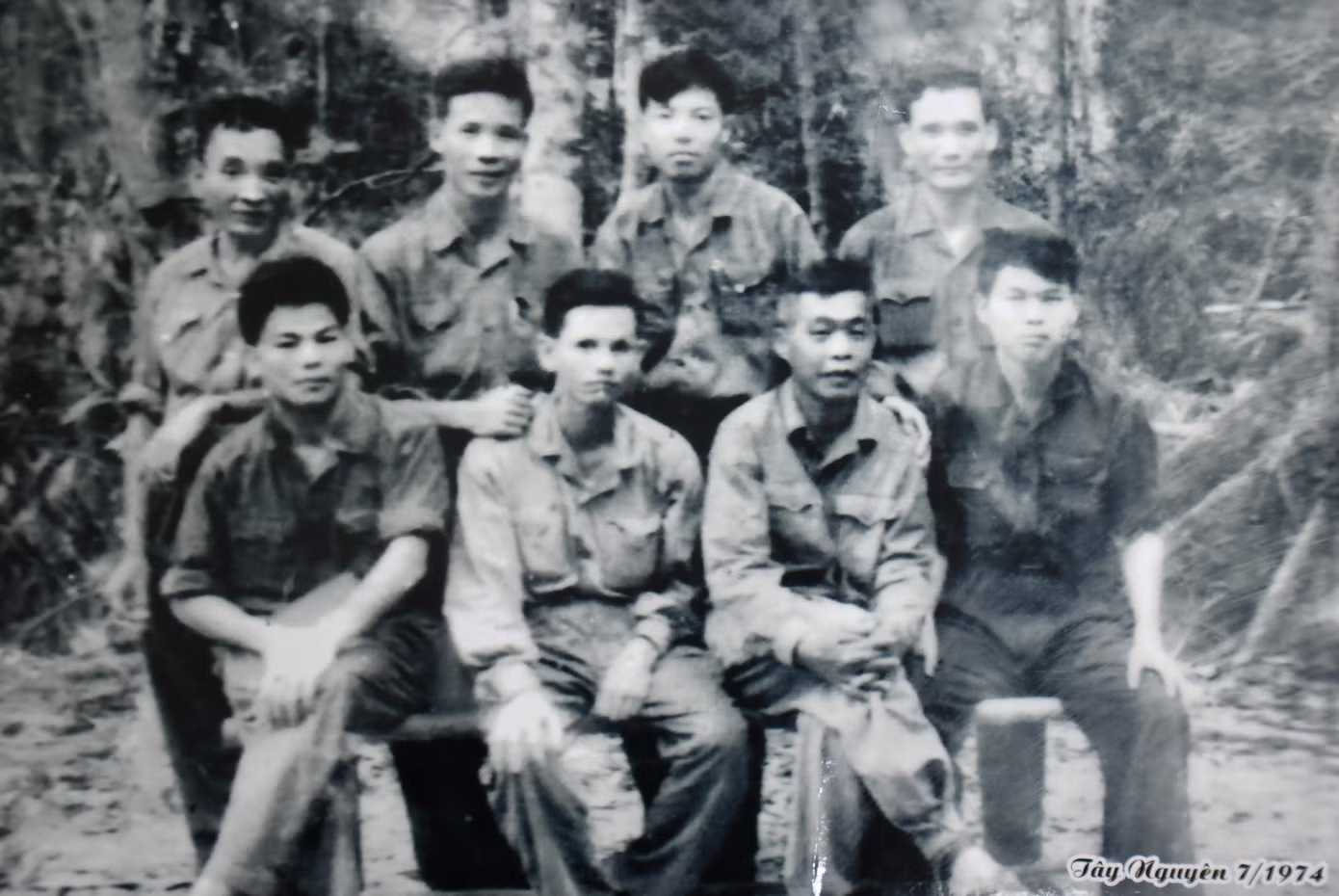 Giáo sư Nguyễn Professor Nguyen Tu (second row, far right) with his comrades at the Central Highlands battlefield, July 1974.
Professor Nguyen Tu, recalling those journeys years later, said that the routes they traveled still evoked tension whenever he and his comrades mentioned them. “We traveled at night through places that still send chills down my spine when I think about them: Ham Rong, Ben Thuy, Dong Loc… one moment too slow and we would have been hit by bombs.”
At times, the vehicles had to stop because of floodwater. Some nights, they lay motionless beside the road while aircraft prepared bombing runs. On other occasions, they had barely stepped out of their vehicles before hearing warnings about cluster bombs, forcing them to scatter immediately. The journey itself was not merely transportation but the first trial for a force truly entering the battlefield ahead.
Upon reaching Ho village in the former Quang Binh Province, the group halted and shifted from mechanized transport to marching on foot along the Truong Son liaison routes. From that point onward, each person carried a backpack, food supplies, and a hammock, moving station by station under extremely harsh conditions.
“Some days all we had left were compressed rice balls and salt. Sometimes we had to survive on porridge because the rice was gone. Those struck with malaria stayed behind at stations, only to struggle back to their feet the next day to catch up with the unit,” Professor Nguyen Tu later wrote in his memoirs.
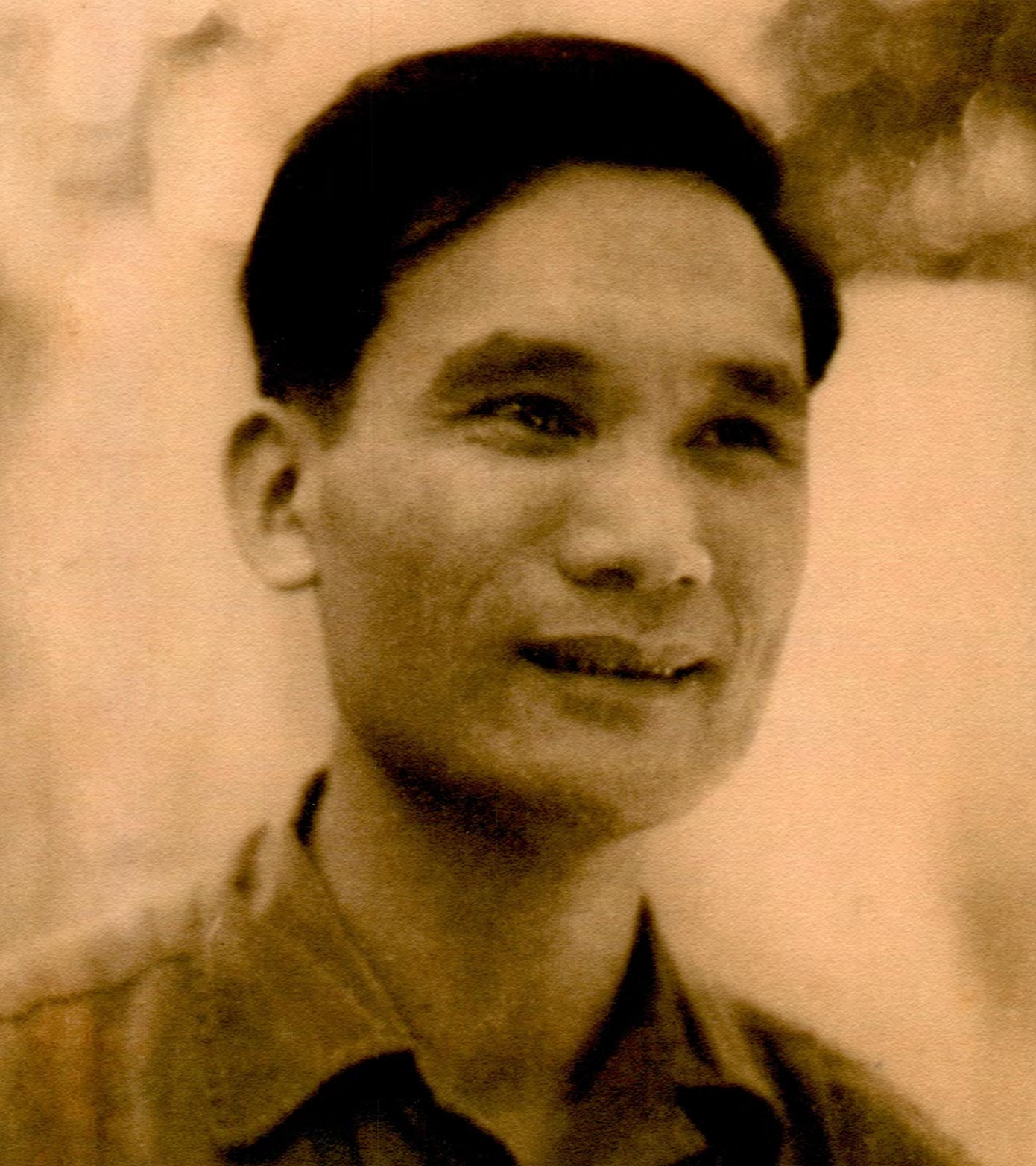
Professor Nguyen Tu during his tenure as Chief of Military Medical Services for the Central Highlands Front (B3), 1973.
Unexpected incidents also occurred along the way. On one occasion, the entire group was surrounded by a military unit that mistook them for enemy commandos because of a communication error. Only after careful verification was the misunderstanding resolved. Professor Nguyen Tu described it as a
“hair-raising” situation in which even a slight delay or failed explanation could have led to disastrous consequences.
When they finally arrived at the B3 Front in the Central Highlands, what appeared before Doctor Nguyen Tu and his comrades was not a hospital, but simply dense forest. In the very first days, the first wounded patient their unit received was one of their own soldiers injured during the march.
From that moment on, Doctor Nguyen Tu became directly responsible for organizing a military medical system amid one of the harshest battlefields of the war.
“To become an excellent military medic and fulfill one’s mission, one must first be a soldier, capable of fighting to protect oneself and the wounded.” – Major General, Professor, Doctor of Science, Hero of the People’s Armed Forces Nguyen Tu
Surgeries Beneath Deep Underground Shelters in the Jungle
At the end of 1965, during the Pleime–Ia Drang Campaign, the Vietnamese forces confronted American troops directly for the first time, and significant weaknesses in the military medical system became painfully apparent.
According to Professor Nguyen Tu, the number of medical personnel was still limited, evacuation of the wounded was extremely difficult, and the arrangement of medical stations had not yet adapted to the enemy’s highly mobile tactics. Some stations were bombed heavily, wounded soldiers could not receive timely treatment, and mortality rates were high. These became hard lessons learned directly from the battlefield.
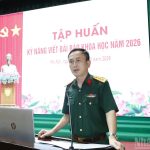
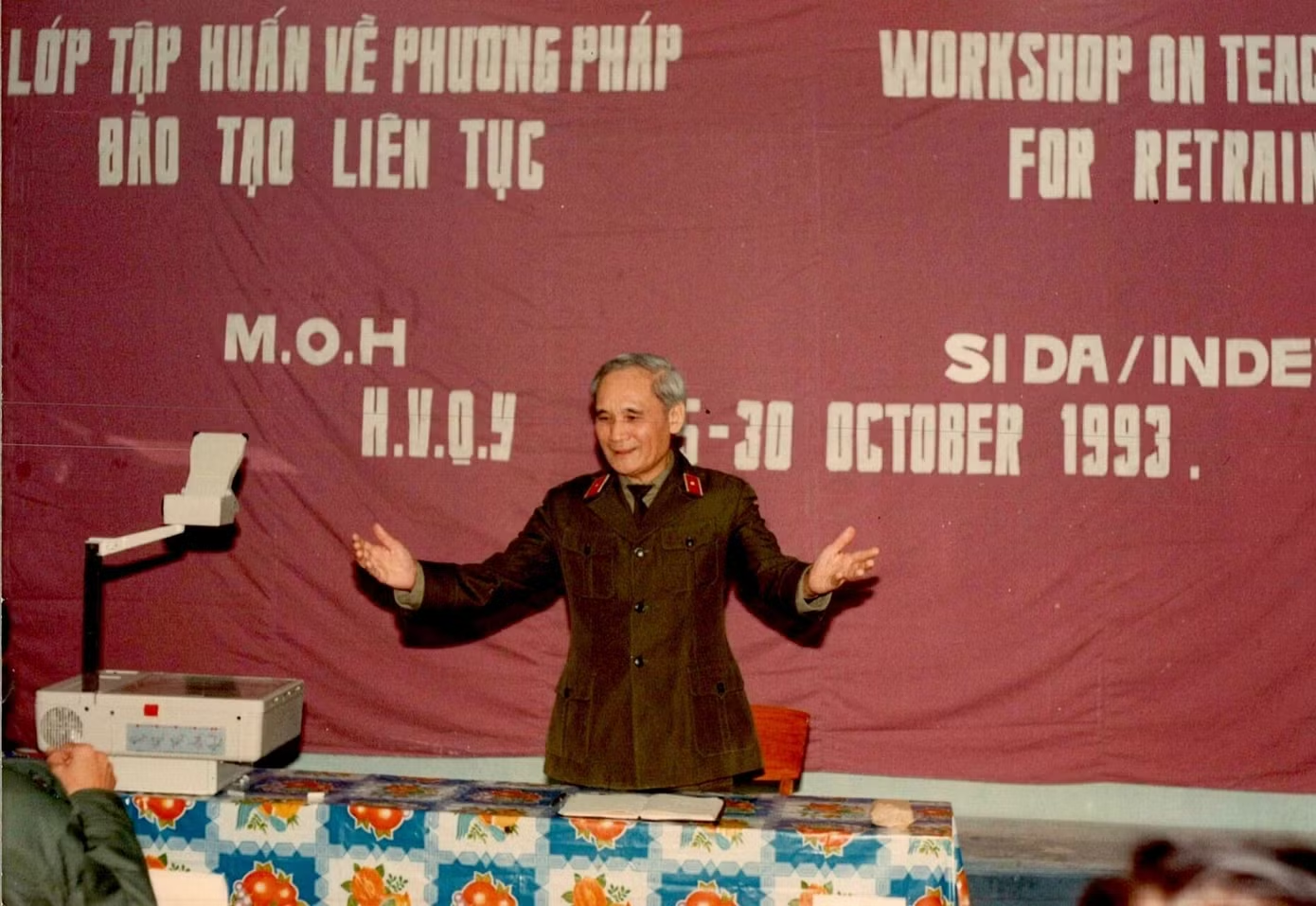 Giáo sư Nguyễn Professor Nguyen Tu presenting on continuing education methods at a Ministry of Health training course, 1993.
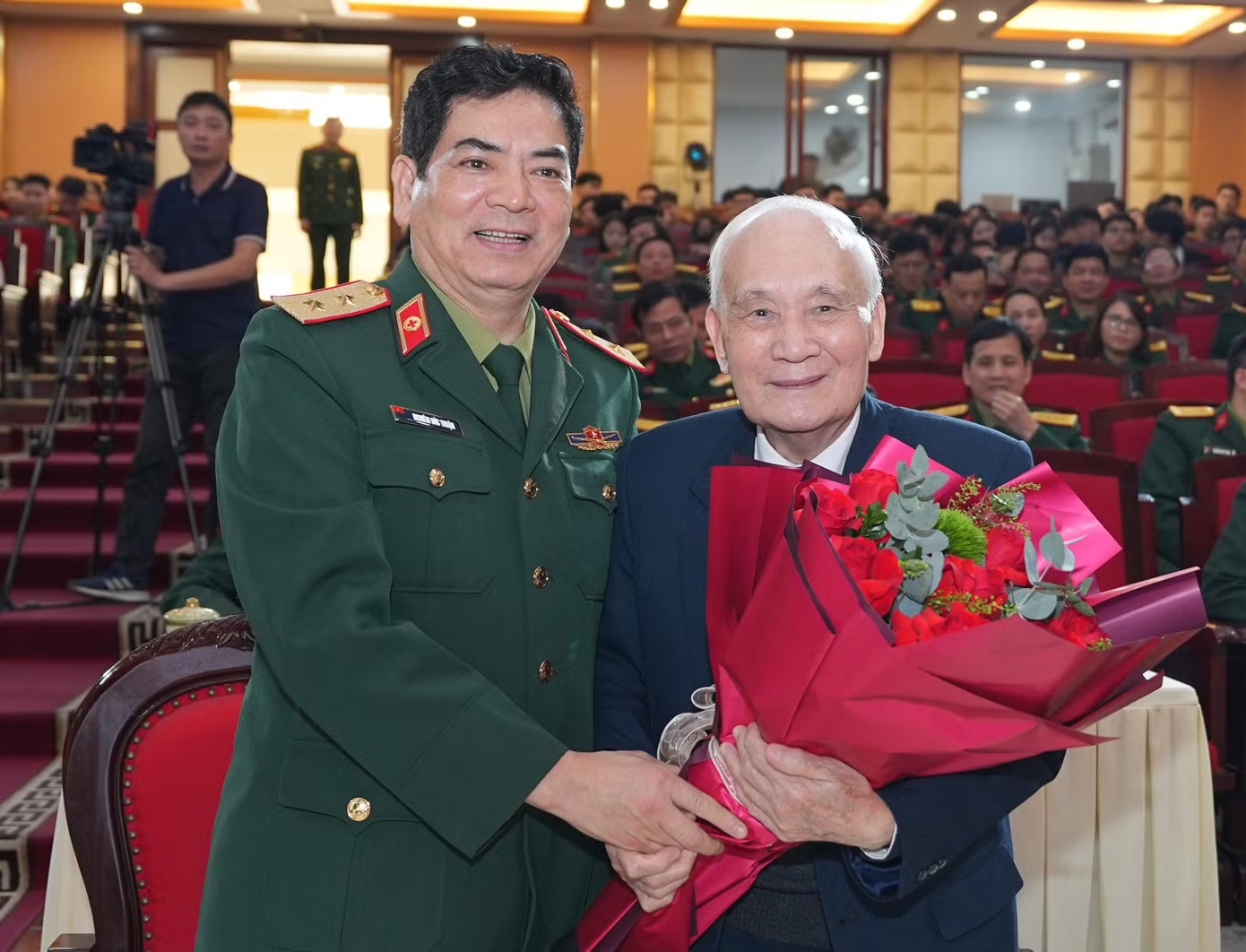
Lieutenant General, Associate Professor Dr. Nghiem Duc Thuan, Political Commissar of Vietnam Military Medical University, presenting flowers in tribute to Professor Nguyen Tu on the occasion of Vietnamese Teachers’ Day, November 20, 2025.
By 1966, during the Sa Thay Campaign, the military medical system was reorganized into a more dispersed structure, with multiple treatment lines, backup evacuation routes, and defensive units protecting the stations, reducing dependence on fixed locations. As a result, even though the number of wounded soldiers increased, treatment became more timelier and mortality rates declined. By the Dac To Campaign in 1967, this organizational model had been further refined.
Professor Nguyen Tu wrote in his memoirs:
“To support units stationed along the Ngoc Bo Bieng range, we deployed surgical teams in bunkers 12 meters deep to avoid B-52 bombings, organized dry rations to maintain nutrition, and continued treating the wounded while sustaining our forces under relentless attacks.”
Treatment of wounded and sick soldiers no longer took place in fixed hospitals but was tied directly to operational directions, specific regions, and constantly changing combat situations. Under such conditions, military medical personnel no longer remained behind the lines but advanced together with combat operations.
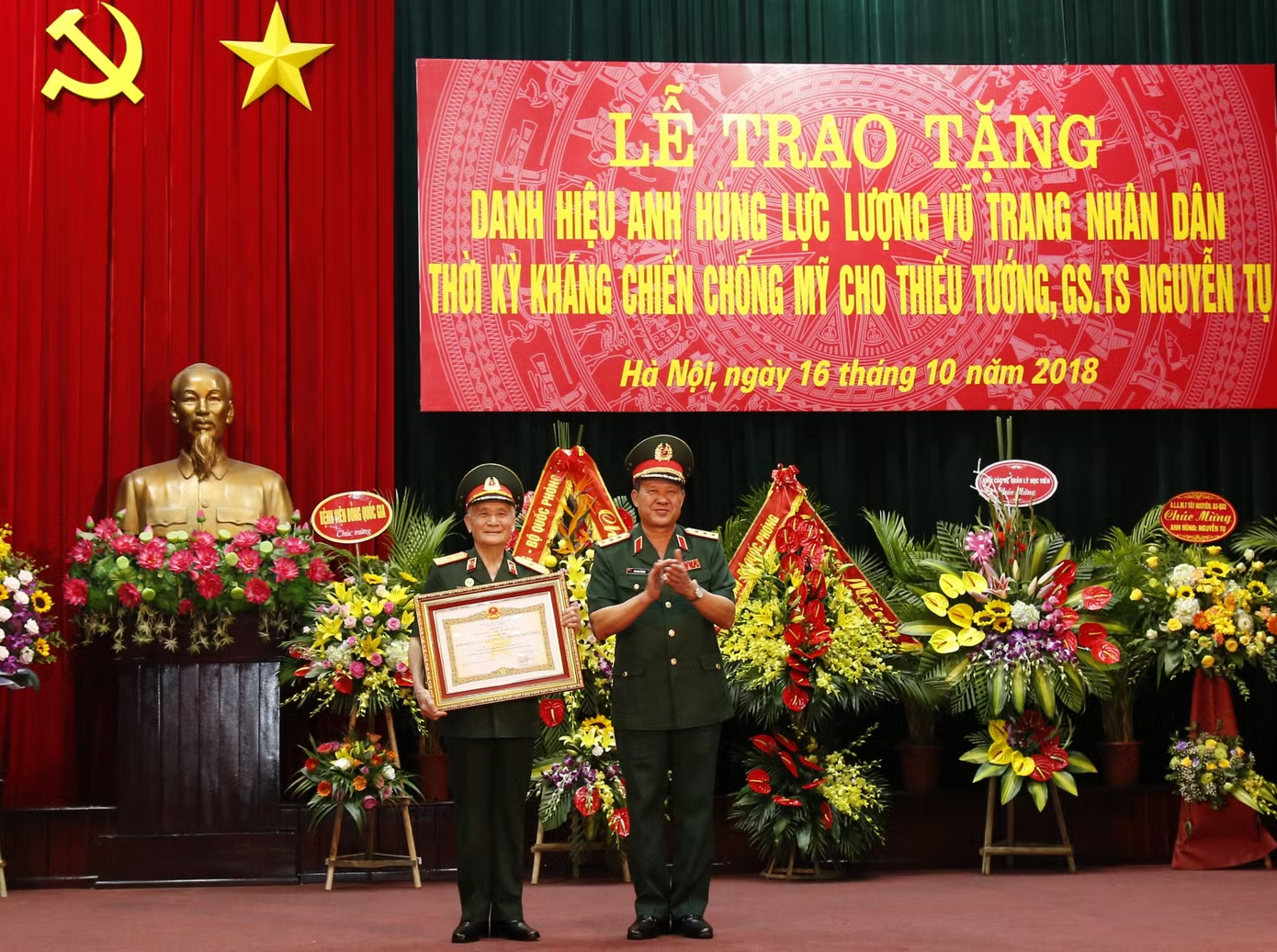
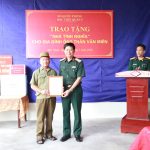
Lãnh đạo Bộ Leaders of the Ministry of National Defence presenting the title of Hero of the People’s Armed Forces to Professor Nguyen Tu.
On the battlefield, Professor Nguyen Tu explained, hospitals in the ordinary sense simply did not exist. Surgical sites were hidden deep within forests. Underground bunkers were dug to avoid bombs. Bandages were dyed with tree bark to avoid detection. Lighting during operations had to be kept to an absolute minimum, and every surgery was conducted with contingency plans for rapid evacuation if necessary.
Professor Nguyen Tu also noted that some surgical teams were annihilated, while many medical personnel were captured, wounded, or killed while performing their duties. Among approximately 3,000 military medical officers and staff serving in the Central Highlands, many suffered casualties, yet the system of treatment endured, and countless wounded soldiers survived because of it.
From his experiences in military medicine during both the resistance war against the French and more than a decade in the Central Highlands battlefield, Professor Nguyen Tu drew lessons forged directly in war. These lessons not only addressed the urgent realities of battlefield medicine under extreme conditions but later became the foundation for the methods and philosophy he used to train future generations of military medical personnel.
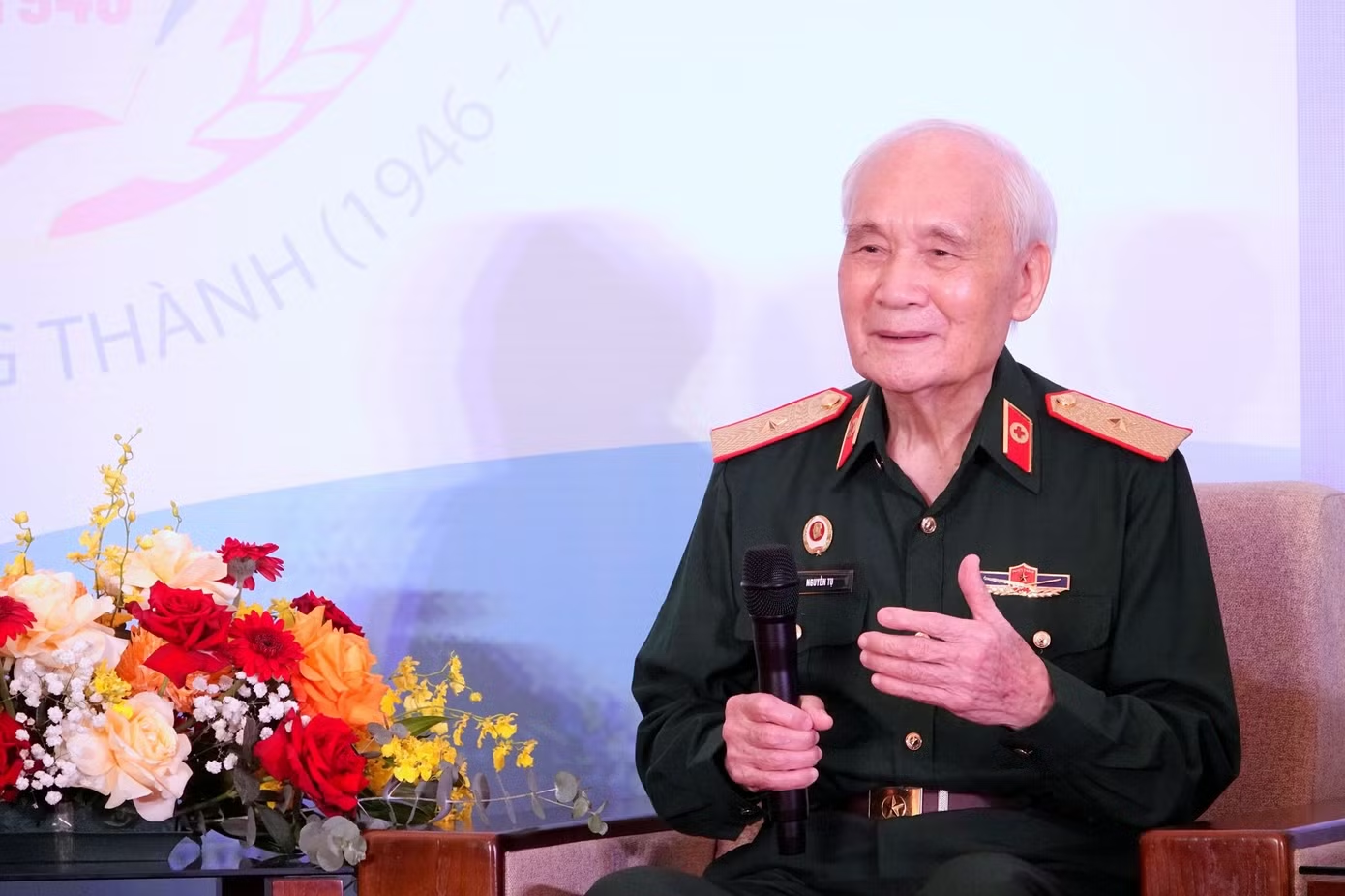
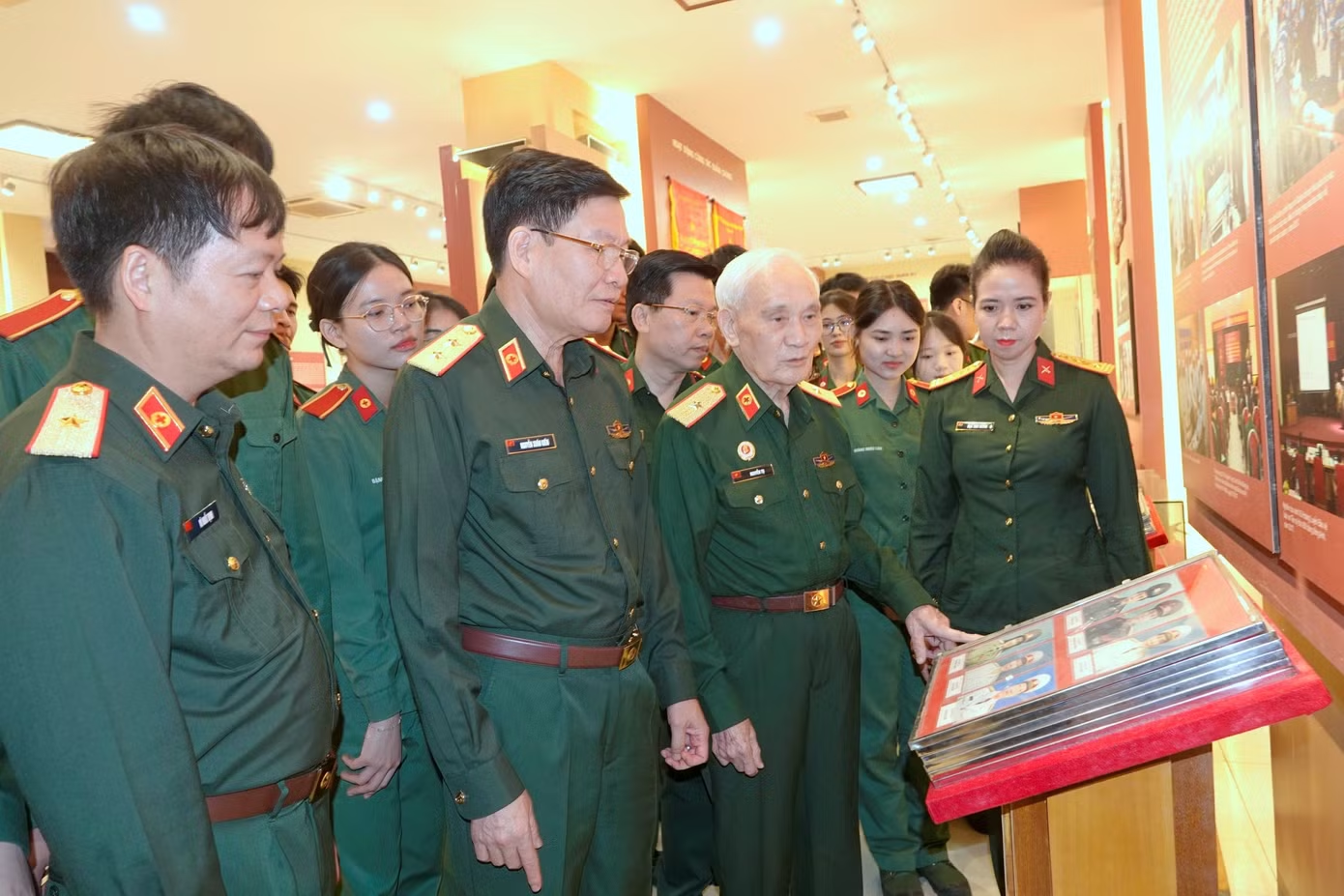
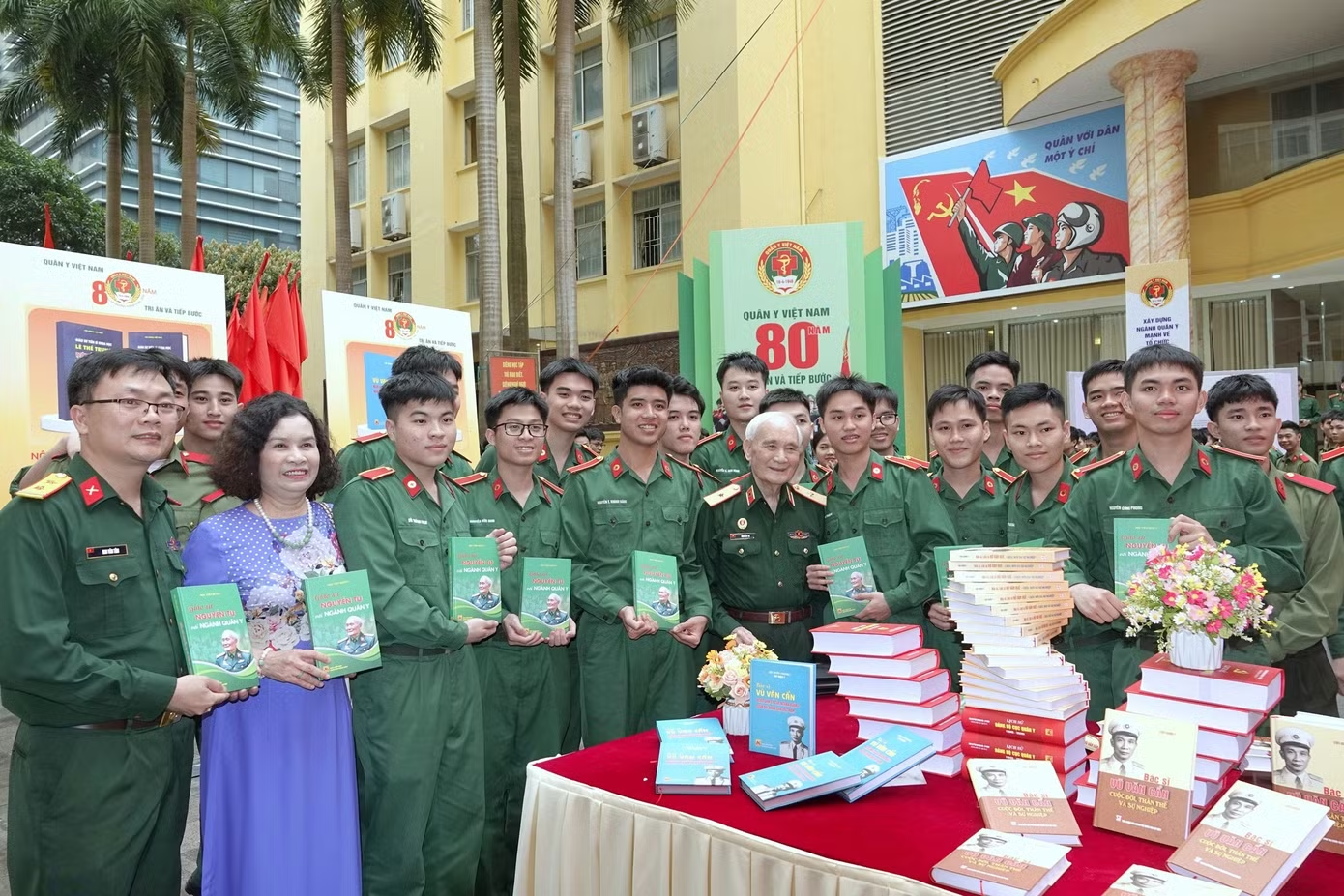
Professor Nguyen Tu attending activities commemorating the 80th anniversary of the Traditional Day of the Vietnamese Military Medical Service (April 16, 1946 – April 16, 2026) at Vietnam Military Medical University.
Major General, Professor, Doctor of Science, Hero of the People’s Armed Forces Nguyen Tu was born in 1928 in Phu Tho Province and joined the revolutionary movement after the August Revolution. In 1947, he was admitted to the first khóa of the National Guard Medical Assistant School, beginning his career in military medicine. He later served with the 316th Division and participated in major campaigns, including the Dien Bien Phu Campaign.
Between 1955 and 1963, he both worked and studied, completed his medical degree, and was sent to the Soviet Union for further training. In 1963, he became Principal of the Military Medical School of the Northwest Military Region.
At the end of 1965, he was assigned to the Central Highlands battlefield, joining Unit 84, later Military Hospital 211, serving first as Deputy Chief and later Chief of Medical Services for the B3 Front from 1965 to 1975.
After the war, he worked at the Military Medical University, now Vietnam Military Medical University, where he served as Party Committee Secretary and Deputy Director, contributing for many years to education and research in military medicine.
NEWS, PHOTO: NGUYEN MINH
TRANSLATOR: TRAN MINH TUAN